Empowered decentralization: A city-based strategy for rebuilding Libya
There may now be a glimmer of hope in Libya as a U.N.-led effort starts to gain more traction. Encouraging, if fledgling, economic reforms in late 2018 add further promise.


There may now be a glimmer of hope in Libya as a U.N.-led effort starts to gain more traction. Encouraging, if fledgling, economic reforms in late 2018 add further promise.
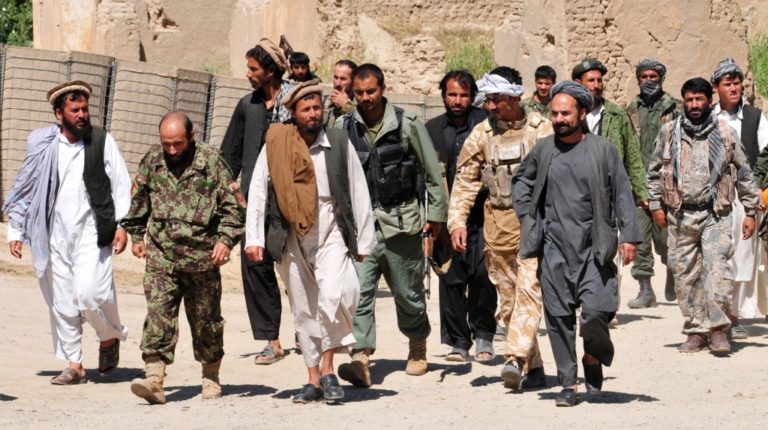
Trump’s decision to withdraw U.S. forces from Afghanistan will almost certainly undermine any possibility of a peace s

The humanitarian crisis in Yemen, wrought by a conflict entering its fourth year, has called into question the nature and purpose of American security partnership with Saudi Arabia.

Tonight, the president will belatedly make his State of the Union address. Here are six questions to watch for, the answers to which will drive future defense programs, budgets, and prospects for the industrial base.

If intelligence analysis is written but nobody reads it, does it exist? I offer a simple eight-step program for analysts to adopt to do their part in bridging the intelligence-policy divide.
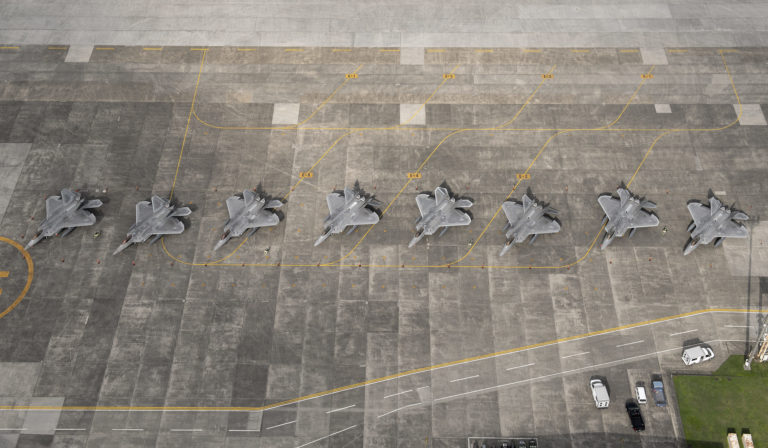
Expectations have been building for the FY 2020 defense budget request, a budget that acting secretary of defense Shanahan has called the “masterpiece.” As the Office of Management and Budget (OMB) works on finalizing the request, experts from the CSIS International Security Program outline what to look for in the FY 2020 defense budget.

As we conclude the fourth week of the government shutdown, there is much we don’t know about how operating at less than full strength over such a long period of time affects the security and safety of Americans and our critical infrastructure when it comes to cyber threats.
The U.S. government’s Stabilization Assistance Review (SAR) framework provides an opportunity to clarify and streamline stabilization assistance, though implementation will require sustained leadership, an interagency roadmap, new processes, bureaucratic incentives, and a review of authorities and resources.
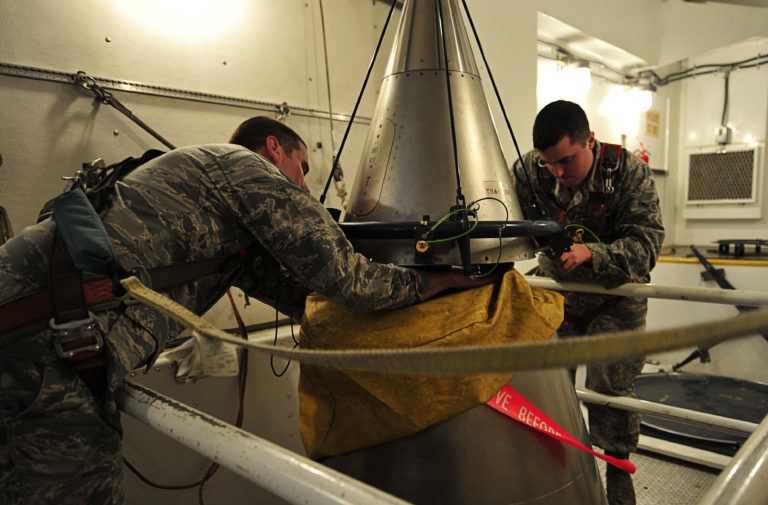
The Trump administration has today released its long-awaited Missile Defense Review. The MDR points the way toward the ever-elusive vision of Integrated Air and Missile Defense, while also acknowledging the relationship between military, nonproliferation, and diplomatic measures to stem and dissuade missile proliferation.

Bad ideas. How much trouble do they cause in national security? How do they disrupt or hinder the protection and advancement of American interests? Listen to the War on the Rocks podcast featuring authors from the Defense360 “Bad Ideas in National Security” series.