Analysis / Strategy

By Other Means – Part I: Campaigning in the Gray Zone

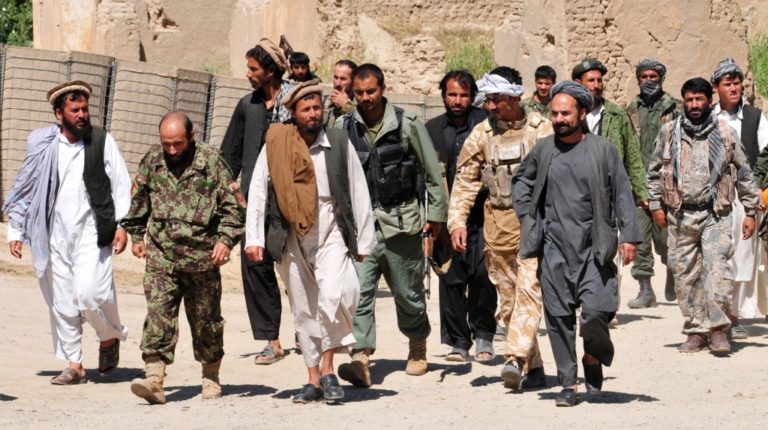
With the significant costs of engaging the U.S. in combat and a growing range of non-military tools at their disposal, rivals threaten U.S. interests by operating in the “gray zone.” The U.S must employ a broad spectrum of tools and concepts to deter and compete in the gray zone.

Analysis / Strategy

Shifting the Burden Responsibly: Oversight and Accountability in U.S. Security Sector Assistance

This study conducted by the CSIS Cooperative Defense Project assesses the levels of progress on implementing reforms throughout the security sector assistance enterprise and developing an action plan that addresses specific issues along planning, operations, policy and doctrine, and training lines of effort.

Analysis / Strategy

Hold My Chai: Escalation and De-Escalation Scenarios in South Asia

In the past, U.S. leadership played a significant role in backchannel mediating between India and Pakistan, counseling strategic patience and brokering diplomatic talks even at the height of Indo-Pak tensions. With the United States currently showing little leadership in South Asia, what scenarios could play out and what might their implication be for the United States and other interests?

Analysis / Reform

Pursuing Effective and Conflict-Aware Stabilization: Framing and Constructing a Roadmap

The U.S. government’s Stabilization Assistance Review (SAR) framework provides an opportunity to clarify and streamline stabilization assistance, though implementation will require sustained leadership, an interagency roadmap, new processes, bureaucratic incentives, and a review of authorities and resources.

Opinion / Strategy

From the Ashes of the Nuclear Deal: The Trump Administration’s Iran Strategy

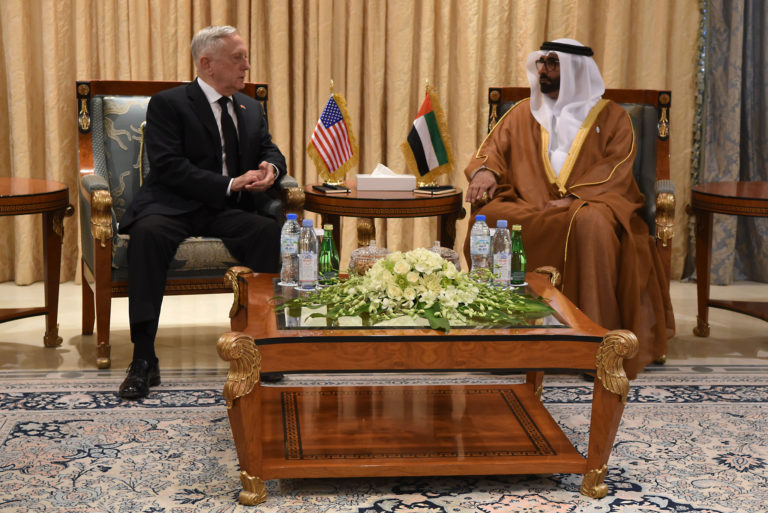
As U.S. sanctions on Iran are re-imposed, questions loom within and outside the United States. Past unilateral sanctions against Iran have been perceived as unsuccessful, and the Trump administration’s resumed reliance on this controversial economic tool as the main driver of its strategy raises several questions. Are these sanctions doomed to fail? Is hinging U.S. strategy almost entirely on economic sanctions the most effective way to counter the Islamic Republic? Will Iran find ways to subvert not just economic sanctions but other U.S. countermeasures as well?

Opinion / Strategy

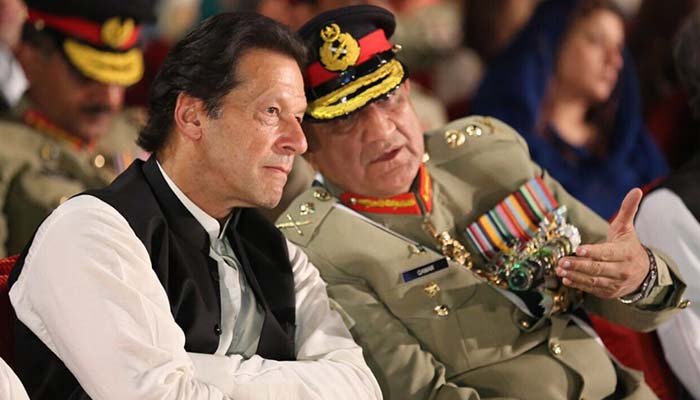
The Trump Administration’s Pakistan Strategy: History Repeating Itself?

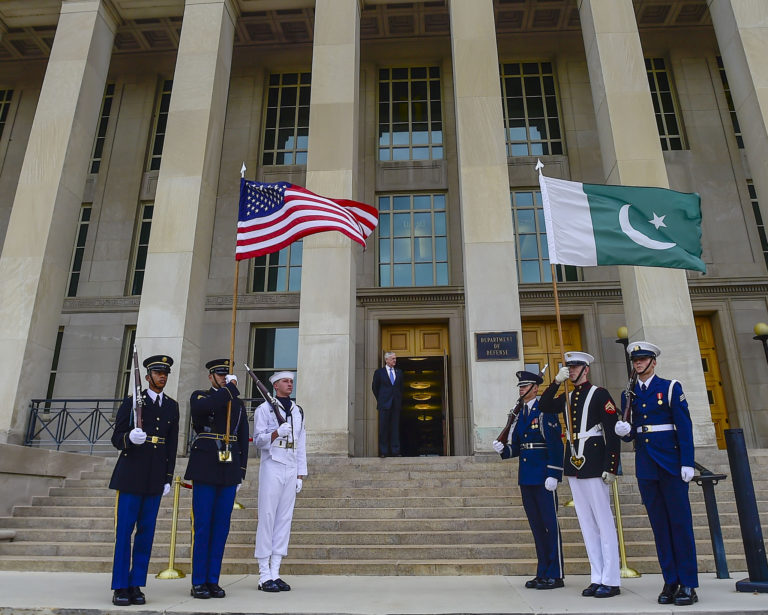
Actions by the administration further endanger the already tenuous relation between the U.S. and Pakistan, risking repeating past mistakes and undoing civil/military progress. Punitive measures have been unsuccessful in Pakistan – by exploring policy options like restoring CSF funding, IMET opportunities for Pakistani officers, and leveraging other partners, the U.S. may be able to influence Pakistan in a positive direction.

Analysis / Budget, Strategy

Security Cooperation as a National Defense Strategy Tool

The 2018 National Defense Strategy elevated security cooperation in stressing the importance of “Strengthening alliances and attracting new partners.” This has typically been an area of strength for the United States in ensuring U.S. superiority in an era of strategic competition. However, countervailing priorities in the current U.S. administration challenge this formulation.

Photo Credit: Air Force Tech. Sgt. Brigitte N. Brantley
Analysis / Strategy

Formulating National Security Strategy

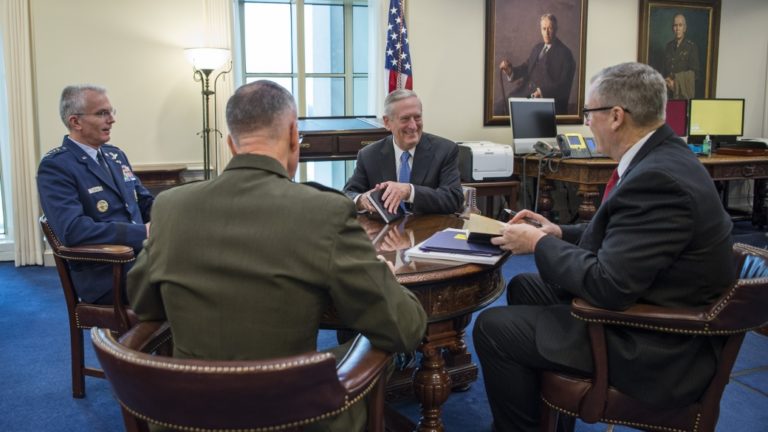
In October, ISP released a comprehensive assessment of the strategy formulation processes within the U.S. Department of Defense. Formulating National Security Strategy: Past Experiences and Future Choices offers insights into the series of choices facing policymakers during a strategy review. The study, prepared for DOD and mandated by Congress, was helped shaped the process for the 2018 National Defense Strategy.