Bad Idea: Overprioritizing “Jointness” in the Joint Warfighting Concept
Existing efforts to develop a Joint Warfighting Concept (JWC) are critical to U.S. success, but these efforts rely too heavily on a siloed process from the military services.


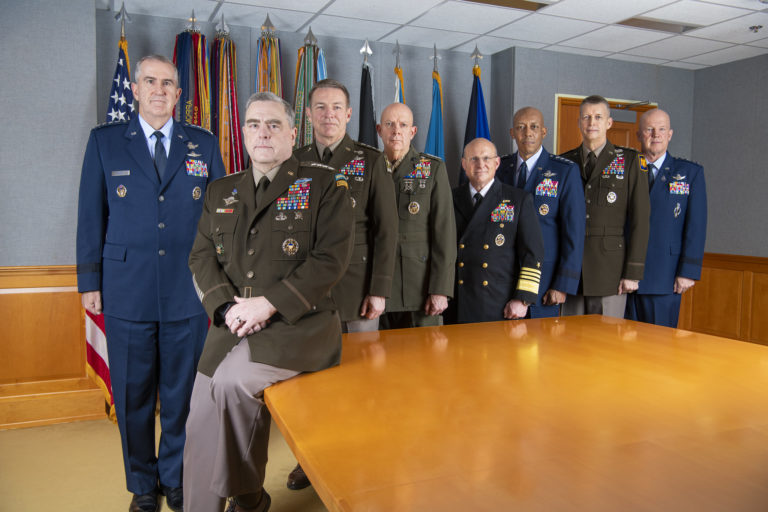
Existing efforts to develop a Joint Warfighting Concept (JWC) are critical to U.S. success, but these efforts rely too heavily on a siloed process from the military services.
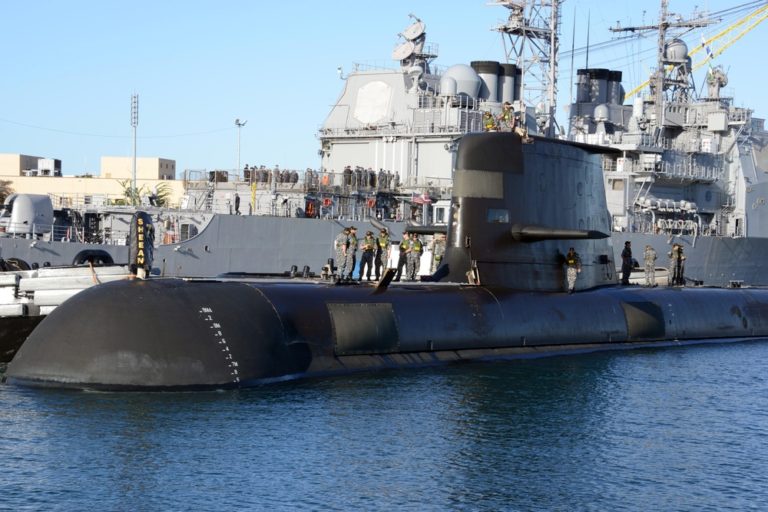
ISP senior fellow John Schaus answers the pressing questions regarding the AUKUS announcement.
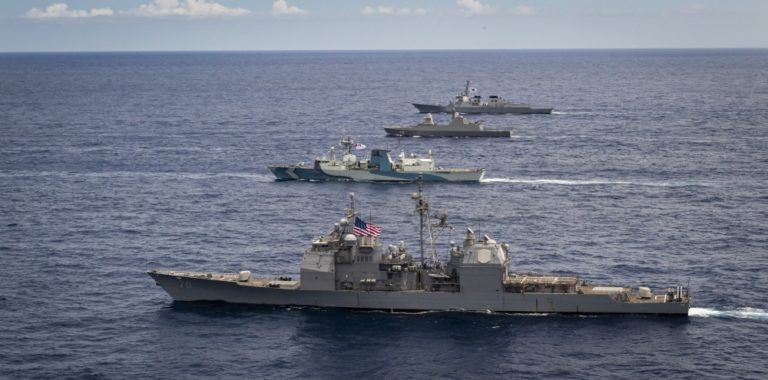
The Biden administration is signaling the United States will return to a more traditional foreign policy in Asia. But it must engage allies and partners on more than just defense policy.

John Schaus and Nathan Freier comment on discernible trends on how countries’ responses to Covid-19 are impacting their standing in the Indo-Pacific region.
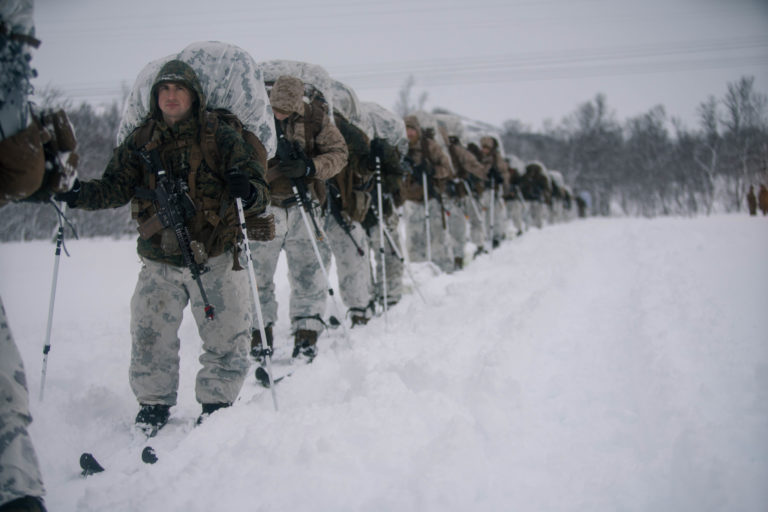
Retrenchment from forward deployed forces supporting alliances is a bad idea. Alliances, including forward-stationing of U.S. forces abroad makes the United States safer, its allies more secure, and all participating more prosperous. Any weakening of the U.S. alliance architecture should demonstrate how it provides greater benefits than the existing system.

With Iran continuing to successfully deploy plausible deniability tactics, the series of sabotage attacks on tankers have served to further escalate tensions with the United States and its regional allies.

In the past, U.S. leadership played a significant role in backchannel mediating between India and Pakistan, counseling strategic patience and brokering diplomatic talks even at the height of Indo-Pak tensions. With the United States currently showing little leadership in South Asia, what scenarios could play out and what might their implication be for the United States and other interests?

For the millions of South Koreans, a peace declaration should be a great accomplishment and a relief. Unfortunately, it is not likely to be.
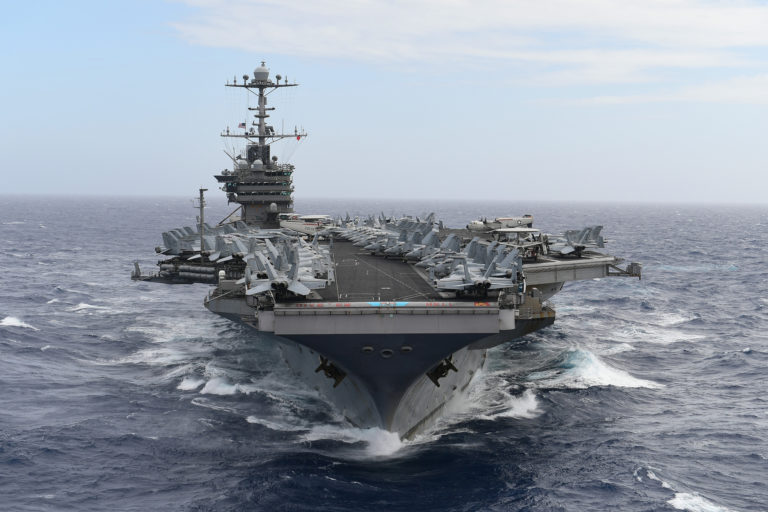
If the U.S. is truly planning for a competition with China, it will need to plan for a long-term effort. The planning should be clear about who and what are opposed, what the U.S. expects from China to avoid conflict escalation, the minimal acceptable change it seeks from the Chinese government, and how far the U.S. is willing to go.
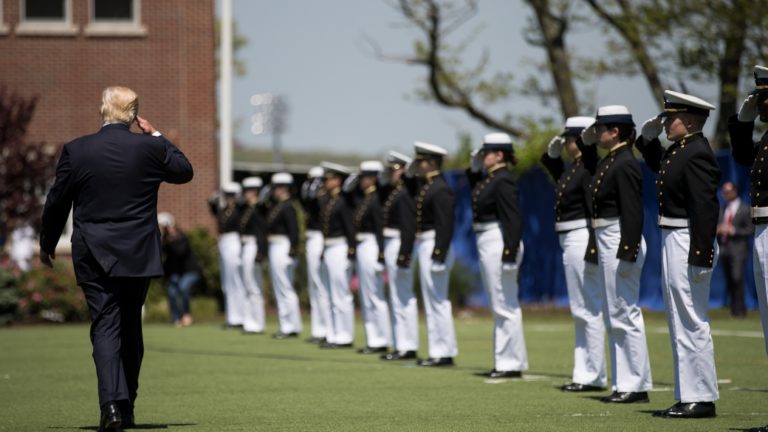
As the Trump administration has moved into its second year in office, it has laid out its vision for national security. This volume presents CSIS experts’ assessment of the Trump administration’s strategy documents and FY 2019 budgets for defense.