Russia in the Gray Zone
A significant number of Russia’s tactics fall in the space between routine statecraft and direct and open warfare, a space sometimes referred to as the gray zone.

Read the most recent analysis from CSIS experts on defense-related issues.
A significant number of Russia’s tactics fall in the space between routine statecraft and direct and open warfare, a space sometimes referred to as the gray zone.
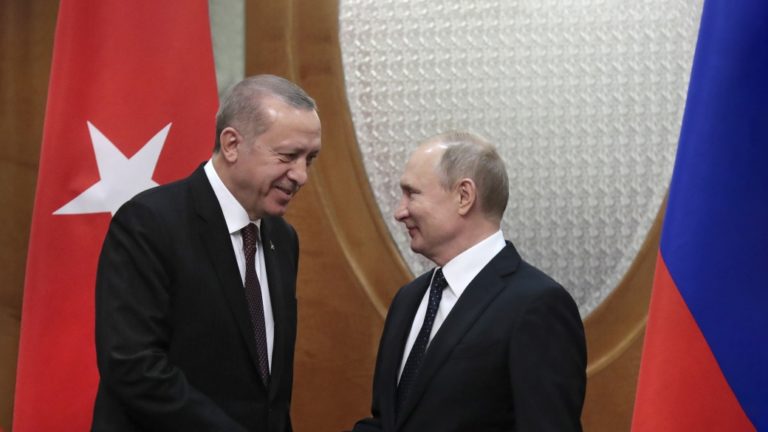
On July 12, Turkey received the first elements of the S-400, a fourth-generation surface-to-air Russian missile system. Few recent weapon sales have been as geopolitically charged as this one. U.S. officials have threatened both military and economic sanctions should Turkey acquire the Russian system.

As part of its broad campaign against democracy, Russia’s information operations are targeting public faith and confidence in the independence and impartiality of our justice system.

The clock is ticking, and the Senate, where floor time is always at a premium, has only 35 days in session after July 4th before fiscal 2020 begins (August is mostly recess, unless the Senate decides to enjoy the swelter of a Washington summer).
After 18 years of military involvement, the United States is still in Afghanistan. This report addresses the factors that allowed U.S. engagement to grow so drastically, makes recommendations on future action, and explores lessons to learn from for future engagements.

When the United States invaded Afghanistan after the attacks on September 11, 2001, and
overthrew the Taliban regime, senior military officers were not predicting that the United
States would remain militarily involved 18 years later.

With the significant costs of engaging the U.S. in combat and a growing range of non-military tools at their disposal, rivals threaten U.S. interests by operating in the “gray zone.” The U.S must employ a broad spectrum of tools and concepts to deter and compete in the gray zone.

Unless the federal government figures out how to deploy artificial intelligence effectively, its workforce and its mission will be left behind.
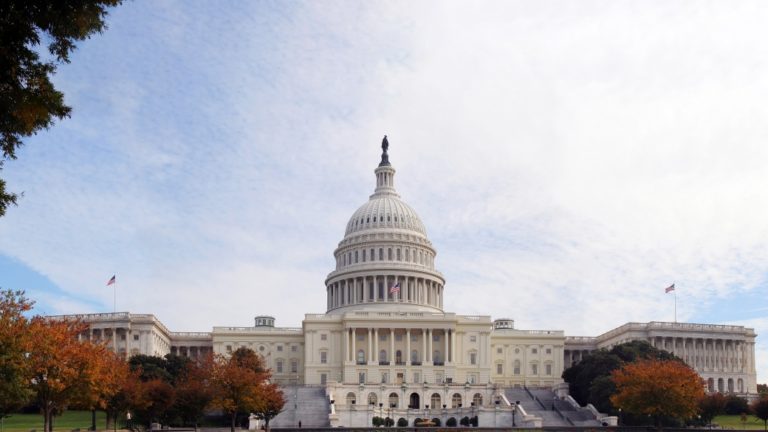
In 2018, President Trump requested the creation of the U.S. Space Force. Since then three competing visions for its structure have been crafted: one from the Department of Defense and two from the U.S. House and Senate. This brief compares these three legislative proposals to create a new military service for space.

Tensions continue to escalate in the Persian Gulf as the Iranians down one U.S. drone, shoot at another and, likely, sponsor attacks on tankers and a Saudi airport.