Will Hezbollah’s Rise Be Its Downfall?
It’s not often that Hezbollah finds common ground with U.S. leaders. But in February, Hassan Nasrallah, the Lebanese party and paramilitary group’s top official, made an exception.

Read the most recent analysis from CSIS experts on defense-related issues.
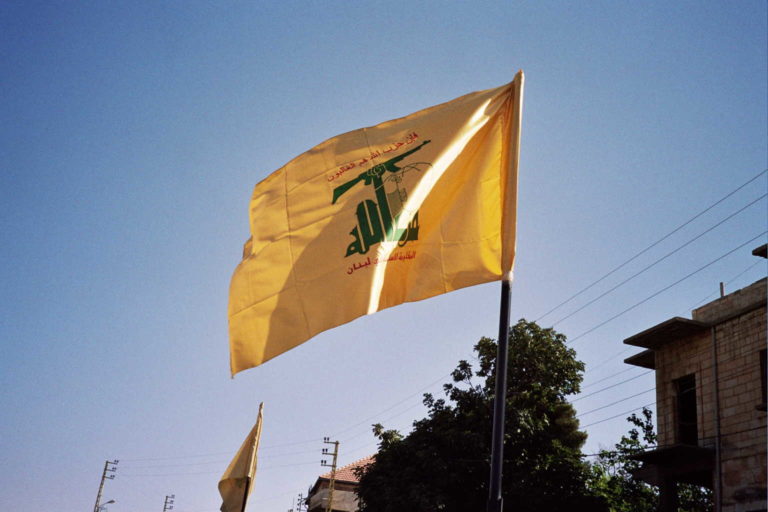
It’s not often that Hezbollah finds common ground with U.S. leaders. But in February, Hassan Nasrallah, the Lebanese party and paramilitary group’s top official, made an exception.

In the past, U.S. leadership played a significant role in backchannel mediating between India and Pakistan, counseling strategic patience and brokering diplomatic talks even at the height of Indo-Pak tensions. With the United States currently showing little leadership in South Asia, what scenarios could play out and what might their implication be for the United States and other interests?

On February 19, 2019, President Trump signed a new Space Policy Directive, which directs the Department of Defense (DoD) to formally create a separate military service for space. This long-anticipated announcement endorses DoD to submit to Congress a request to stand up the U.S. Space Force.

There may now be a glimmer of hope in Libya as a U.N.-led effort starts to gain more traction. Encouraging, if fledgling, economic reforms in late 2018 add further promise.

The humanitarian crisis in Yemen, wrought by a conflict entering its fourth year, has called into question the nature and purpose of American security partnership with Saudi Arabia.

Tonight, the president will belatedly make his State of the Union address. Here are six questions to watch for, the answers to which will drive future defense programs, budgets, and prospects for the industrial base.
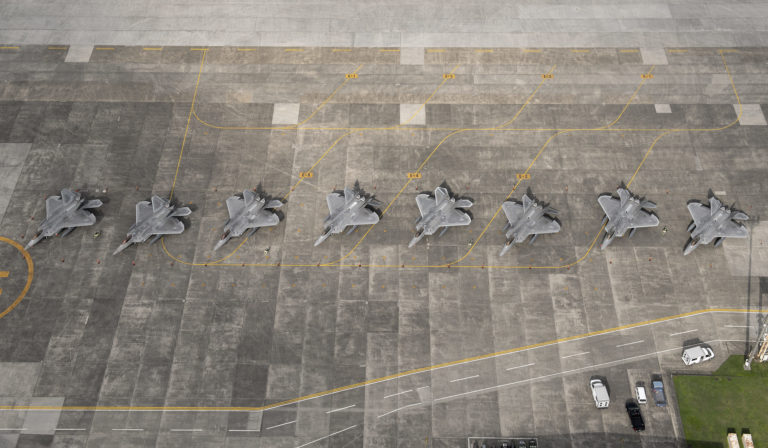
Expectations have been building for the FY 2020 defense budget request, a budget that acting secretary of defense Shanahan has called the “masterpiece.” As the Office of Management and Budget (OMB) works on finalizing the request, experts from the CSIS International Security Program outline what to look for in the FY 2020 defense budget.

As we conclude the fourth week of the government shutdown, there is much we don’t know about how operating at less than full strength over such a long period of time affects the security and safety of Americans and our critical infrastructure when it comes to cyber threats.
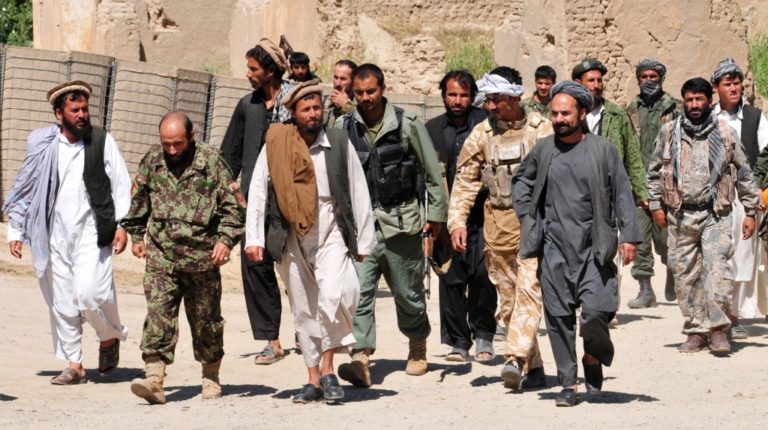
The U.S. government’s Stabilization Assistance Review (SAR) framework provides an opportunity to clarify and streamline stabilization assistance, though implementation will require sustained leadership, an interagency roadmap, new processes, bureaucratic incentives, and a review of authorities and resources.
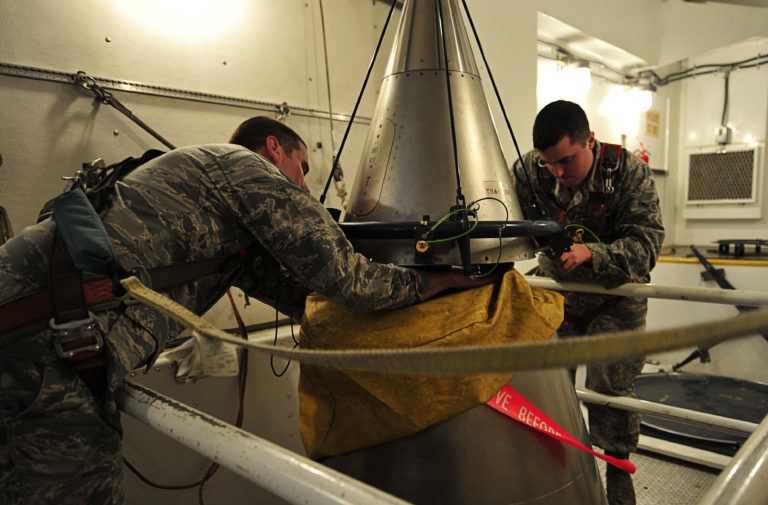
The Trump administration has today released its long-awaited Missile Defense Review. The MDR points the way toward the ever-elusive vision of Integrated Air and Missile Defense, while also acknowledging the relationship between military, nonproliferation, and diplomatic measures to stem and dissuade missile proliferation.