Covid-19 Response Update: January 8-January 15
A roundup of the developments in the military’s response to Covid-19 from January 8-January 15 by the CSIS International Security Program.

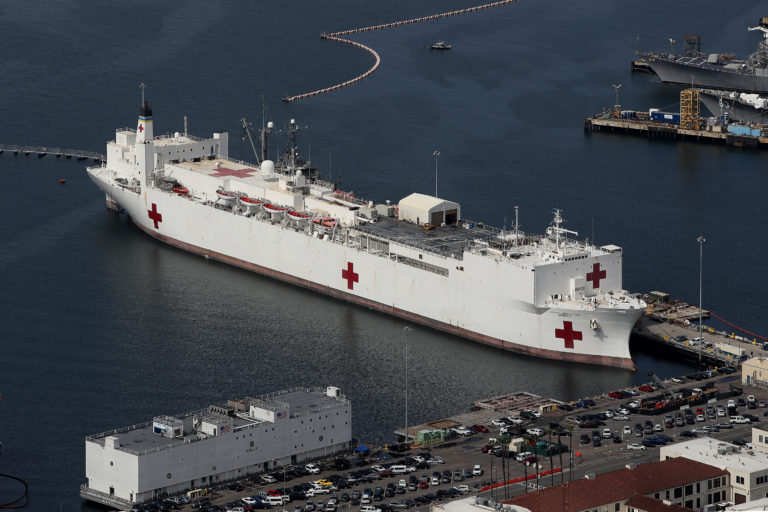
A roundup of the developments in the military’s response to Covid-19 from January 8-January 15 by the CSIS International Security Program.
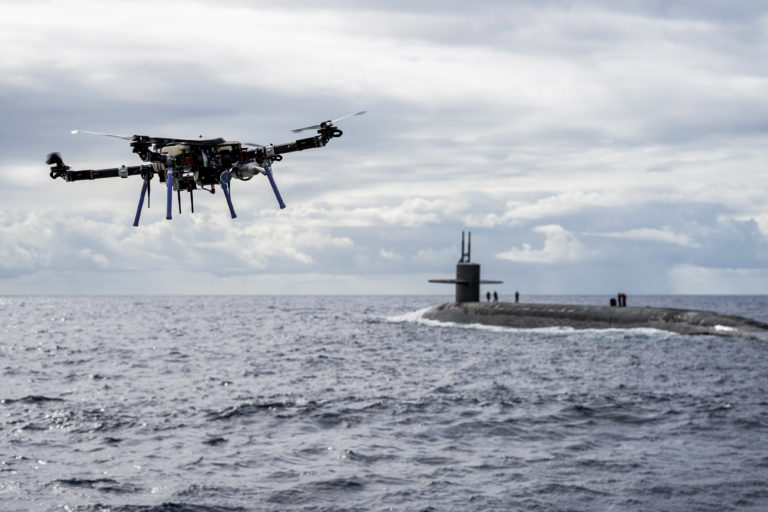
The expansion of dual-capable delivery systems and the diversification of strategic forms of warfare to include cyber, space, and advanced high precision conventional strike capabilities have sharply eroded structural conventional-nuclear firebreaks.
Like other Americans, we were appalled by the seditious attack on the Capitol last Wednesday. We watched as the mob’s disregard for the Constitution and democracy threatened the safety of elected government servants, congressional staff, and law enforcement officers. At least five people have died as a consequence of these actions. But the sickening element…
A roundup of the developments in the military’s response to Covid-19 from December 18-January 8 by the CSIS International Security Program.
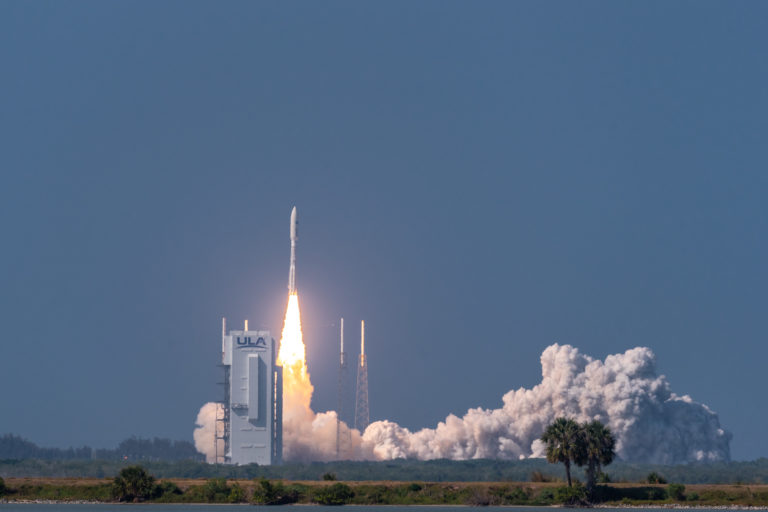
Military forces include not just traditional services, but also the newly created Space Force, special operations forces, civilians, and contractors. In his final paper in a series on U.S. forces, Mark Cancian analyzes recent changes to these national security elements.
A roundup of the developments in the military’s response to Covid-19 from December 11-December 18 by the CSIS International Security Program.
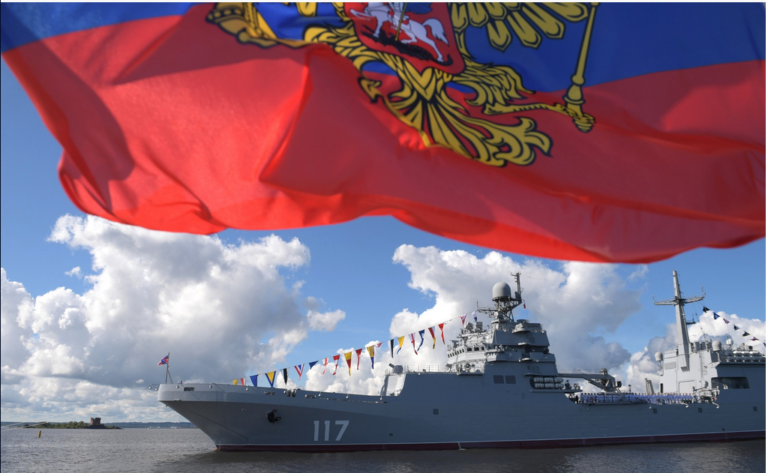
Russia has been dismissed as a declining by some policymakers and analysts who prefer to focus on competition with China. Yet Russia remains one of the most assertive and powerful states in the international system and ignoring the threat it poses is a strategic error.
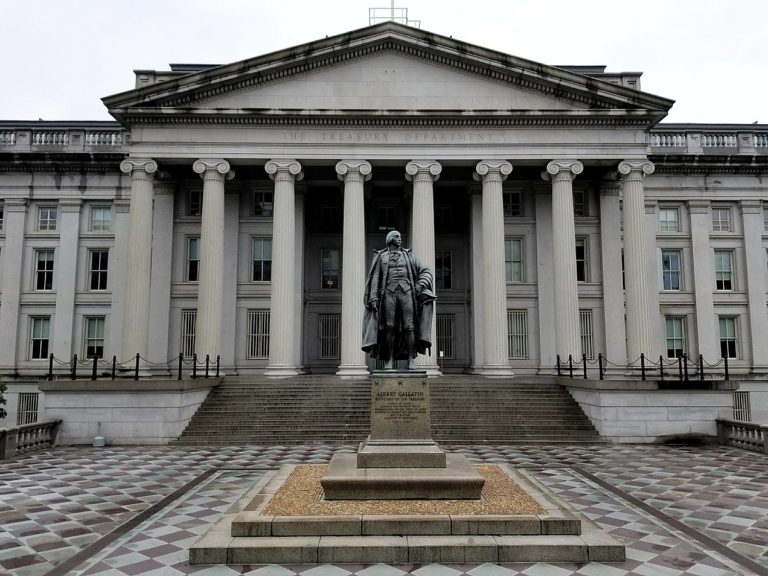
Austerity hawks who focus overly much on the size of the national debt as an indicator of national security strength are missing the bigger picture. Expected interest rate hikes haven’t materialized, and instead the U.S. is missing opportunities for long-term investment.
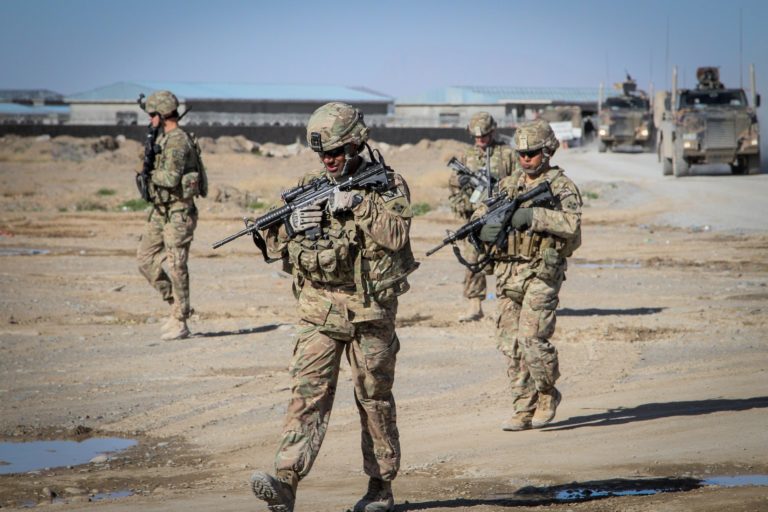
Nothing in D.C. has the ability to unite political adversaries like a mutual hatred of the Pentagon’s OCO funding. But eliminating OCO — instead of reforming it — could further imperil the greater transparency and accountability that its detractors seek.
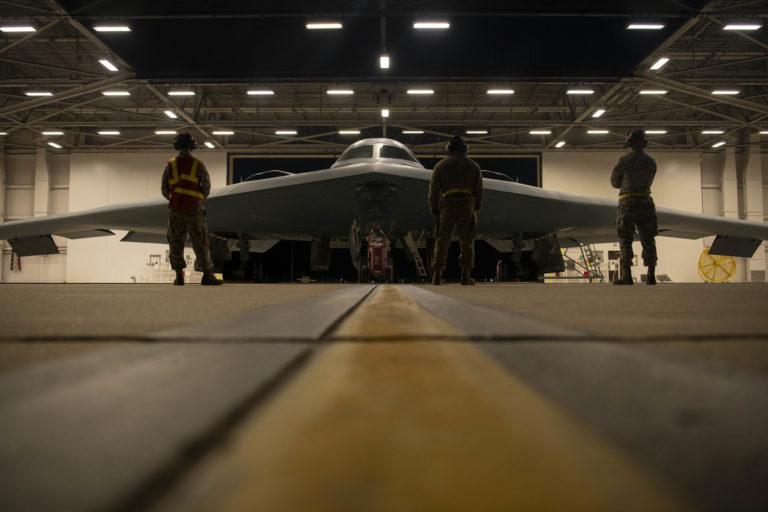
Artificial intelligence may be used in ways that do not directly involve or are not immediately recognizable to senior decisionmakers. These areas of AI application are far left of an operational decision or decision to launch and include four priority sectors: (1) security and defense; (2) intelligence activities and indications and warning; (3) modeling and simulation, optimization, and data analytics; and (4) logistics and maintenance.