

Archive
Counting Dollars or Measuring Value: Defense Expenditure as a Share of GDP
The official 2 percent threshold, while mandated at the 2014 Wales Summit, has long been understood as an unofficial spending target for NATO members. According to 2017 estimates illustrated in the graphic, only four of the 28 NATO member states meet the 2 percent spending level while 15 are expected to meet it by 2024..
Counting Dollars or Measuring Value: Distribution of Defense Expenditure by Main Category
NATO breaks defense expenditure into four main categories: equipment, personnel, infrastructure, and other. In addition to the commitment to spend 2 percent of GDP on defense, NATO heads of state pledged at the 2014 Wales Summit to spend 20 percent of their defense budgets on major equipment.
Counting Dollars or Measuring Value: Security Assistance as a Share of GDP
As some allies and partners call for a broader view of the investments that contribute to collective defense, the CSIS study team examined security assistance spending by NATO member states and its select subset of European partners.
Counting Dollars or Measuring Value: Troop Contribution as a Share of Total Active Duty Force
The CSIS report compiles NATO member and partner countries’ troop contributions across a range of military operations. Where data was publicly available and reliable, it measures troop contribution as a percentage of the total active duty force to normalize and compare between countries with militaries of different size.
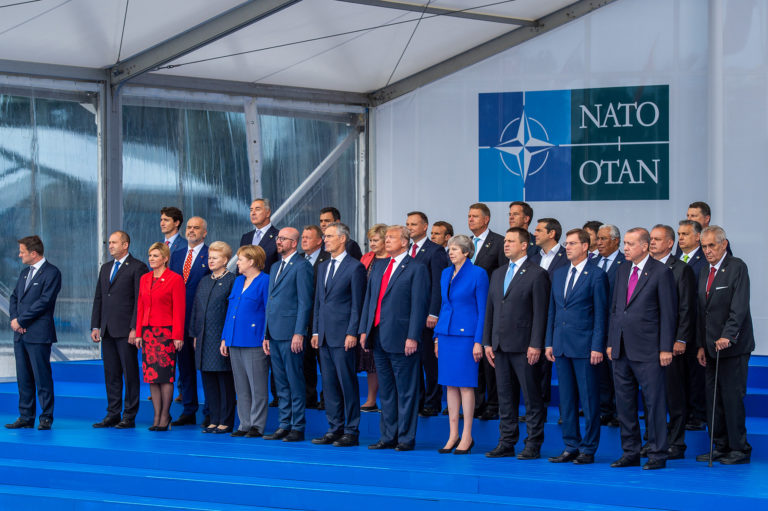
Counting Dollars or Measuring Value: Trade with Sanctioned Competitors
Most measures of security contribution focus on investment. But states also forego economic gains in support of common security. The effect of enforcing agreed upon sanctions against a potential adversary is one metric that could be used to measure this sacrifice.
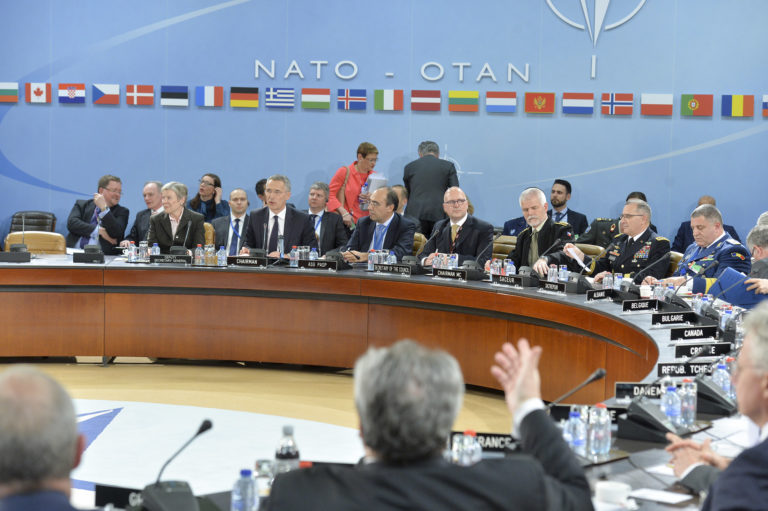
Counting Dollars or Measuring Value: Average Refugee Intake
Conflict and instability to Europe’s south – in North Africa and in Syria – has generated population movements into Europe with which our allies have struggled. Some NATO members are bearing a particularly significant burden from the refugee crisis. Managing the crisis is a significant security investment for them and Europe as a whole.
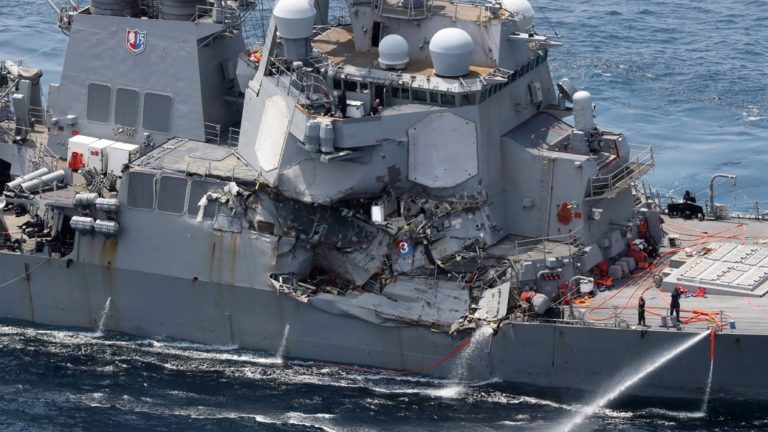
The State of Military Readiness: Is There a Crisis?
Amid a surge in military aviation accidents over the past five fiscal years and four surface fleet incidents between FY 2017 and FY 2018 that killed 17 sailors—calls for a solution to the military’s “readiness crisis” continue to be heard despite recent budget increases. But what is readiness and how does it relate to the recent spell of deadly incidents?
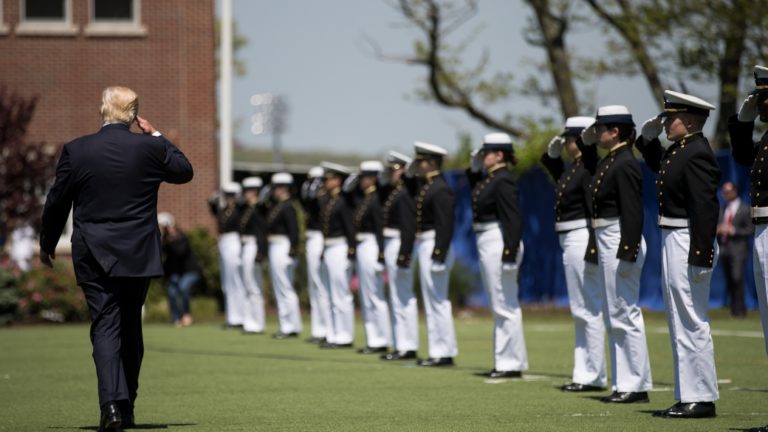
Defense Outlook 2018: Report
As the Trump administration has moved into its second year in office, it has laid out its vision for national security. This volume presents CSIS experts’ assessment of the Trump administration’s strategy documents and FY 2019 budgets for defense.
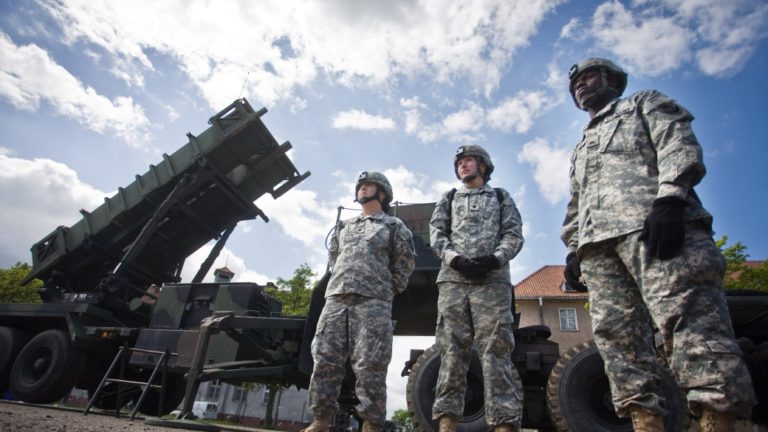
The Forthcoming Missile Defense Review
Later this spring, the Trump administration will release its 2018 Missile Defense Review (MDR), which is expected to better align U.S. missile defense policy with the present security environment. President Barack Obama’s 2010 Ballistic Missile Defense Review (BMDR) reflected the security environment of the time and the aspirations of the Obama administration. In particular, technological advances by U.S. adversaries and a renewed focus on long-term competition with Russia and China drive the need for a new review.