Revising the Strategy Formulation Process and Related Documents
There is widespread dissatisfaction with the existing strategy formulation process and resulting documents because of their perceived lack of prioritization.

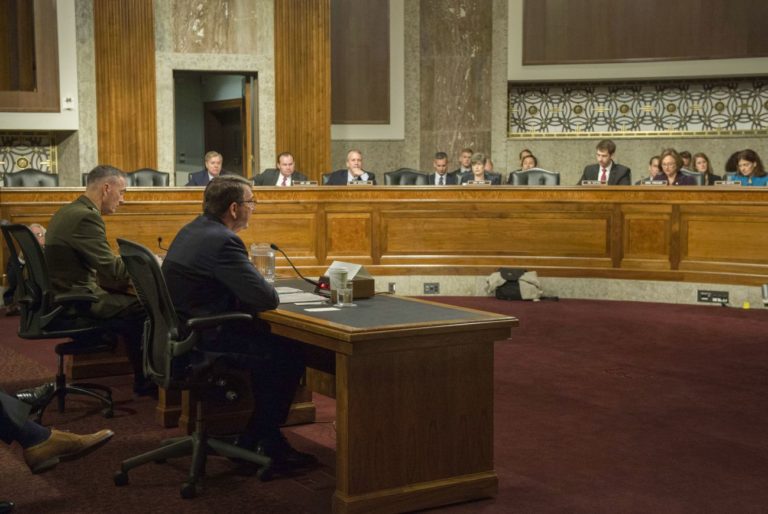
There is widespread dissatisfaction with the existing strategy formulation process and resulting documents because of their perceived lack of prioritization.

Nuclear modernization is going to be a costly endeavor, but how much will it truly cost. The modernization debate throws out varying numbers without addressing what the numbers mean. Rather than argue over numbers this article asserts that the debate should revolve around the role of nuclear weapons in U.S. defense strategy and if the cost is worth the investment.
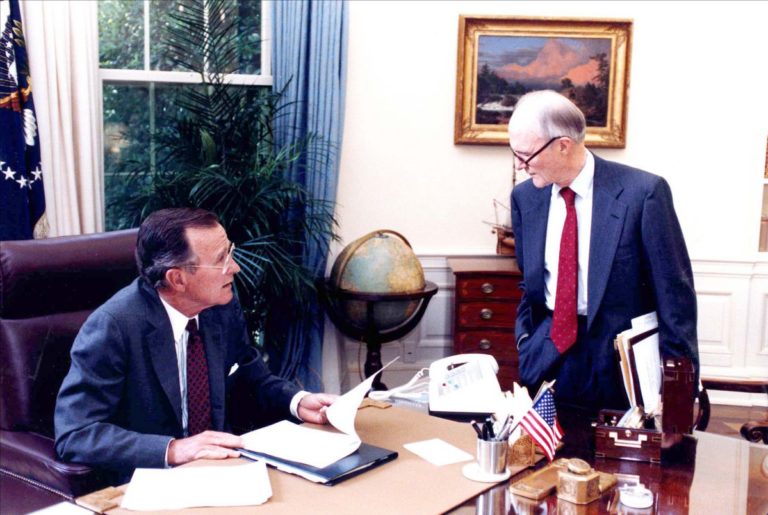
This report was originally published by the Bush School of Government & Public Service at Texas A&M University, and was taken from an address delivered by Mr. Hadley at the Scowcroft Legacy Conference Sponsored by the Scowcroft Institute of International Affairs on April 26, 2016.
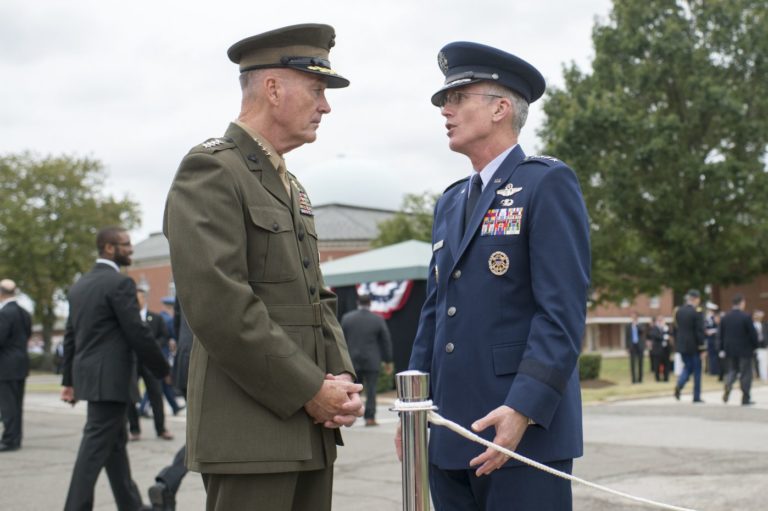
Both the House and Senate bills contain provisions to lengthen the term of service for the CJCS from two years to four.

This year, the Senate and House versions of the National Defense Authorization Act are full of reform initiatives, such as reductions in the number of general officers and the creation of an under secretary of defense for research and engineering.

Watch our video on the Budget Control Act (BCA) of 2011 discuss the emergence of the BCA, its impact on defense, and the practicalities of the BCA on defense budgeting. Additionally, the resource includes critical questions about the BCA.

The Budget Control Act of 2011 (BCA) was signed into law five years ago on August 2, 2011. It is a resurrection of a much older law, known as Gramm-Rudman-Hollings, originally enacted in 1985.

The House and the Senate National Defense Authorization Act (NDAA) bills have several provisions seeking to strengthen the role of the chairman of the Joint Chiefs of Staff.
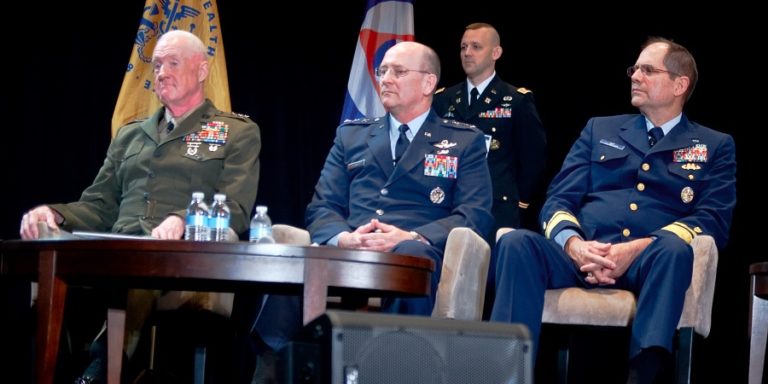
The loss of reserve three-star positions will likely be seen as a serious loss of influence in the reserve community.

Improving the efficiency, oversight, and professionalism of the security cooperation enterprise will help prove to Americans that these investments are worth the price.