Will Business Expertise Reform The Pentagon? Fuggedaboutit!
Will DOD implement the long-awaited series of management reforms that last year’s National Defense Strategy announced? Probably not.


Will DOD implement the long-awaited series of management reforms that last year’s National Defense Strategy announced? Probably not.
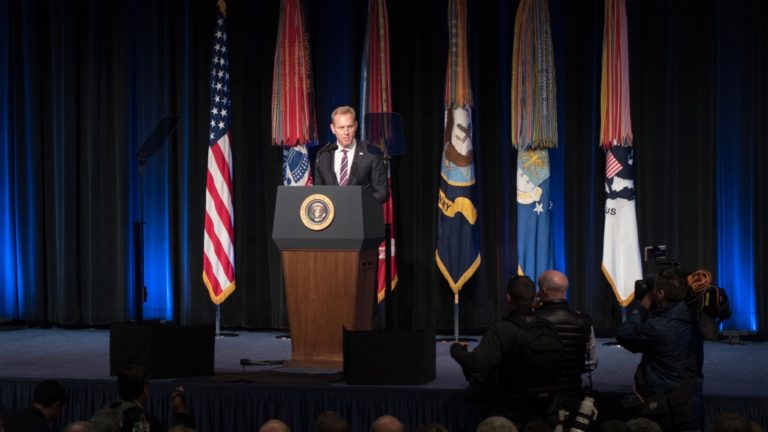
The proposed FY 2020 budget for missile defense lacks the programmatic and budgetary muscle movements to contribute meaningfully to overall U.S. deterrence and defense goals.

The Trump administration is not requesting that Congress raise the budget caps at all, either for defense or non-defense. Instead, the administration is asking Congress to use a loophole in the law to allow for higher defense spending without breaching the budget caps: overseas contingency operations (OCO) funding.
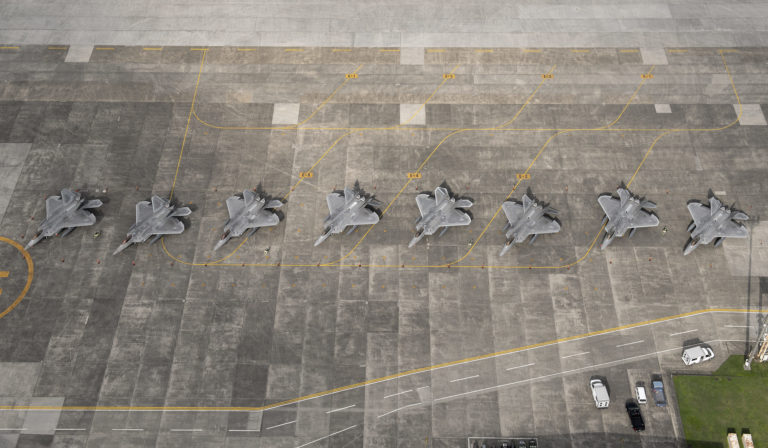
Expectations have been building for the FY 2020 defense budget request, a budget that acting secretary of defense Shanahan has called the “masterpiece.” As the Office of Management and Budget (OMB) works on finalizing the request, experts from the CSIS International Security Program outline what to look for in the FY 2020 defense budget.

Bad ideas. How much trouble do they cause in national security? How do they disrupt or hinder the protection and advancement of American interests? Listen to the War on the Rocks podcast featuring authors from the Defense360 “Bad Ideas in National Security” series.
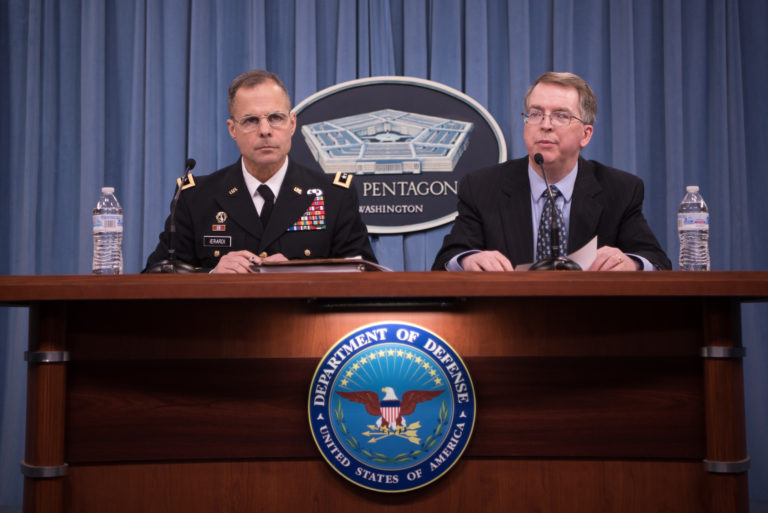
The DoD audit might be worthwhile if it succeeds in finding large amounts of waste and inefficiency. But it won’t and frankly can’t. The audit produced a number of useful findings related to internal controls for information technology and financial reporting. But are these alone sufficient to justify the entire time, effort, and money the audit consumed? Probably not.

The OCO budget has been taken advantage of to skirt defense spending limits and to fund base budget activities that do not actually constitute war funding. However, moving all of OCO’s enduring costs into the base budget for the final two years of the Budget Control Act caps may not be politically expedient for passing a budget agreement for FY 2020 and FY 2021.

Mark Cancian examines the changes in the FY 2019 budget for each of the military services, DOD civilians, and contractors, how the budget shapes the forces, and the challenges ahead for building and maintaining the forces needed to implement the administration’s stated strategy.
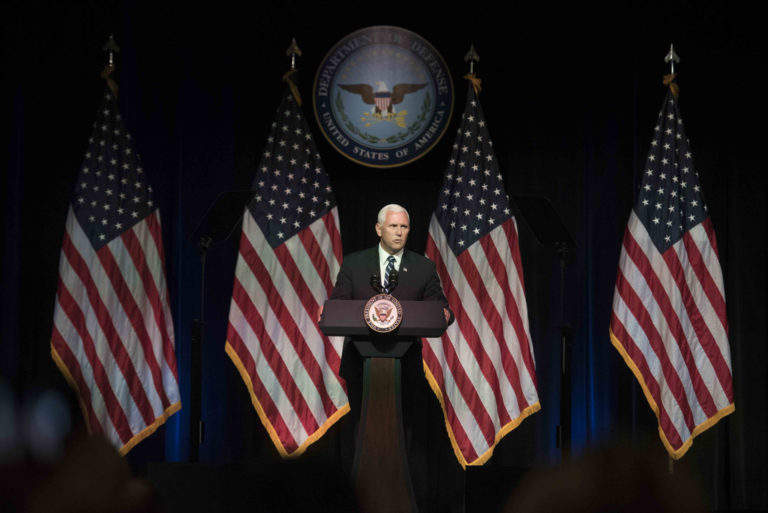
Space capabilities are already an indispensable component of U.S. military power, and the threats posed to U.S. space systems by China, Russia, and others are growing by the day. A Space Force is needed to consolidate authority and responsibility for national security space in a single chain of command; to build a robust cadre of space professionals who can develop space-centric strategy and doctrine; and to avoid the conflicts of interest inherent in the other Services that have short-changed space programs for decades.

Establishing a Department of the Space Force by 2020 is rushing into an end solution without proper consideration. Although there have been several space reorganization studies in the past two decades, a comprehensive public debate of our current space capabilities and their organization is just beginning. An incremental approach to developing a comprehensive organization for our national security space enterprise is a smarter decision.