Bad Idea: Assuming All Arms Control Agreements are Inherently Good
That the United States should reflexively seek to remain in arms control agreements, even if they do not contribute to U.S. national security, is a bad idea in national security.

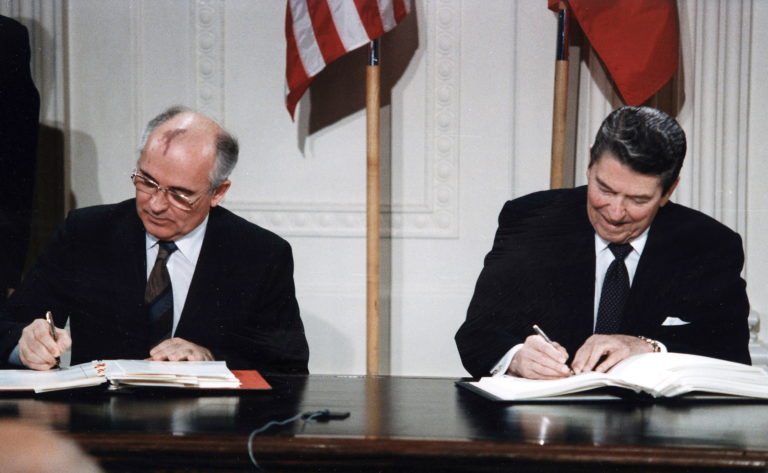
That the United States should reflexively seek to remain in arms control agreements, even if they do not contribute to U.S. national security, is a bad idea in national security.
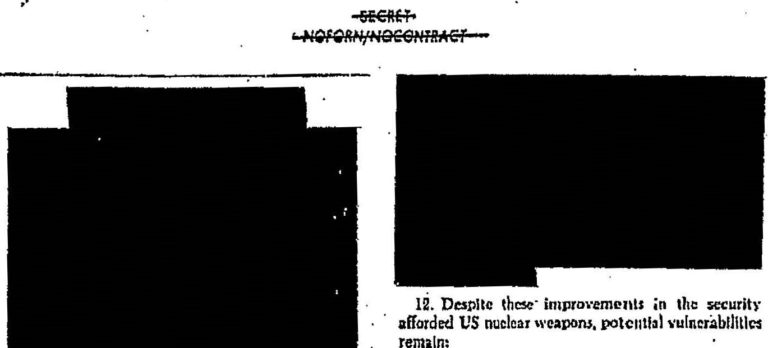
Continuing to shroud government actions behind a veil of secrecy will only deepen the divide between that government and the people it is supposed to serve.
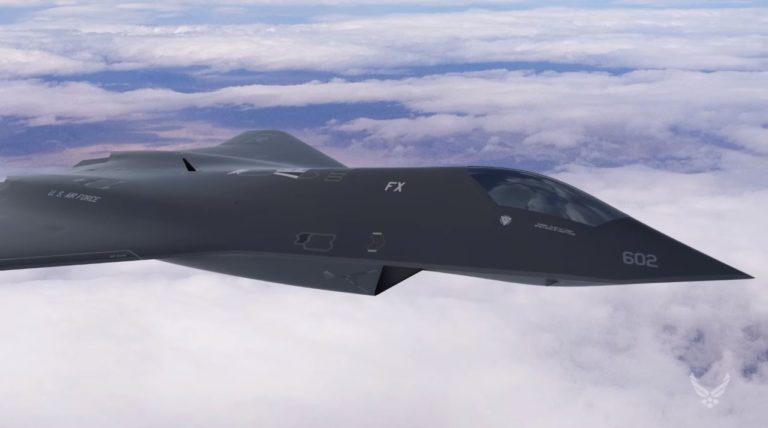
Small fleets of aircraft are eroding the purchasing power of the Air Force and limiting its ability to grow or even sustain the size of its current force.

The Wolf Amendment has neither discouraged Chinese space ambitions or altered China’s behavior on human rights—it has only muddled our relationship with China and created an opening for a challenger to NASA’s leadership role in space exploration.
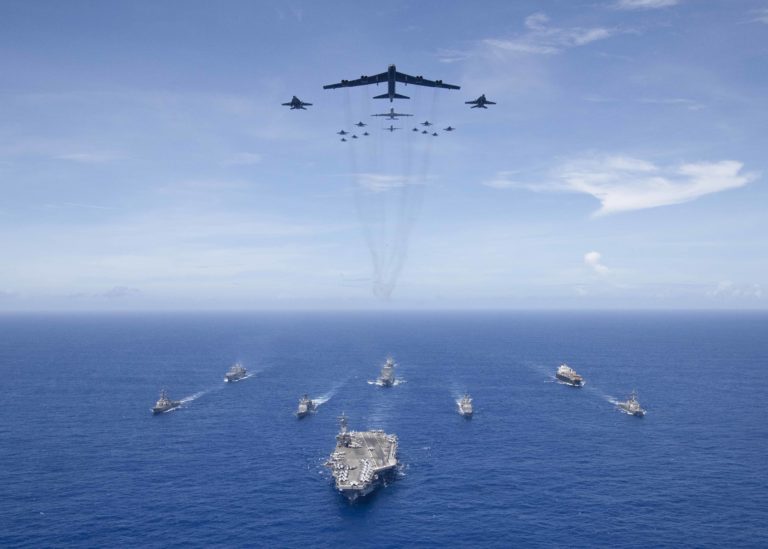
A strategic overcorrection has put China at the center of virtually every U.S. national security conversation and consideration. That positioning is at once distracting the United States from appropriately responding to growing trans-regional geopolitical volatility while also failing to achieve outcomes in U.S. China policy.

Integrating artificial intelligence with nuclear command, control, and communications (NC3) to create an automated strategic response system underestimates AI’s potential to inadvertently precipitate a catastrophic mistake.

Every few years—and usually after a big satellite program in DoD runs into trouble—the popularity of small satellites resurges. Swapping big satellites for “smallsats,” however, will not address those problems.
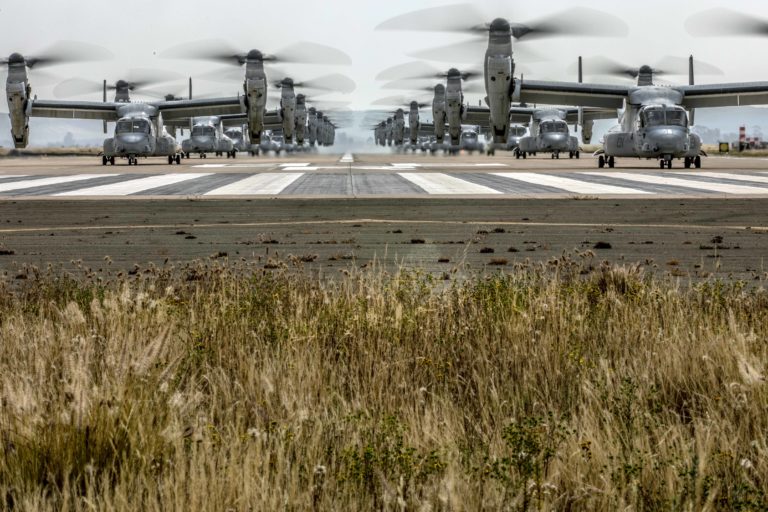
Annually, CSIS senior adviser Mark Cancian publishes a report on U.S. military forces—their composition, new initiatives, long-term trends, and challenges as well as the strategic and budget context that shapes their structure. This report, a compilation of previously published white papers, takes a deep look at each of the military services, special operations forces, DOD…

Military forces consist not just of the services, but also special operations forces, civilians, contractors, and non-DOD agencies. In his final white paper in a series on U.S. forces, CSIS’s Mark Cancian analyzes recent changes to these other national security elements.

This year, CSIS will be analyzing the acquisition system through a series of topics papers. The first paper in our 2019 report series presents analysis of the topline DoD contracting trends, focusing on the defense acquisition system’s response to the 2018 NDS and new administration priorities.