Archive

Analysis / Reform, Strategy

Use a Strategic Review to Drive Change

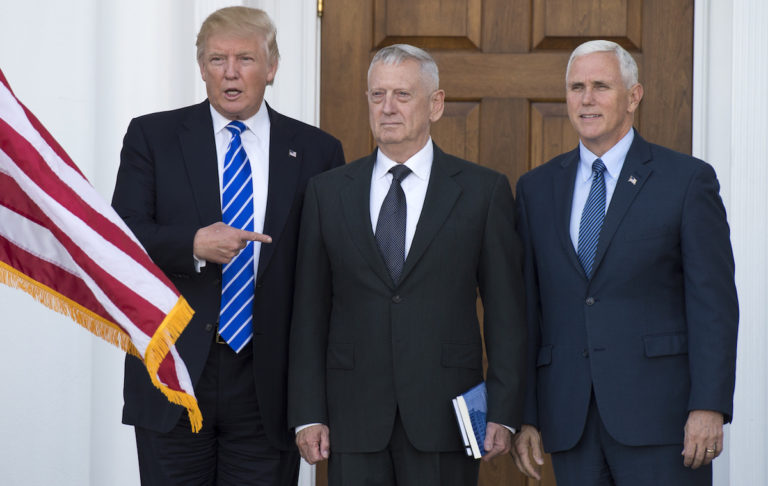
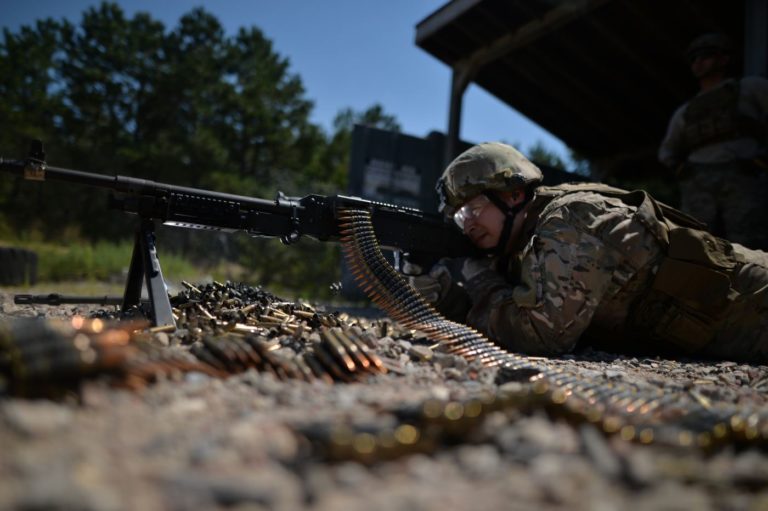
Given the various foreign policy and national security challenges, it will be critical that the new administration develop a strategic approach for their policy objectives. Strategy will help the new administration achieve goals, drive change, and determine which issues may benefit from continuity. This analysis provides recommended steps for an effective review process to help develop a strategy for national security challenges.

U.S. Air National Guard photo/Staff Sgt. Christopher S. Muncy: https://www.flickr.com/photos/usairforce/29396127562/
Analysis / Budget

The Enduring Dilemma of Overseas Contingency Operations Funding

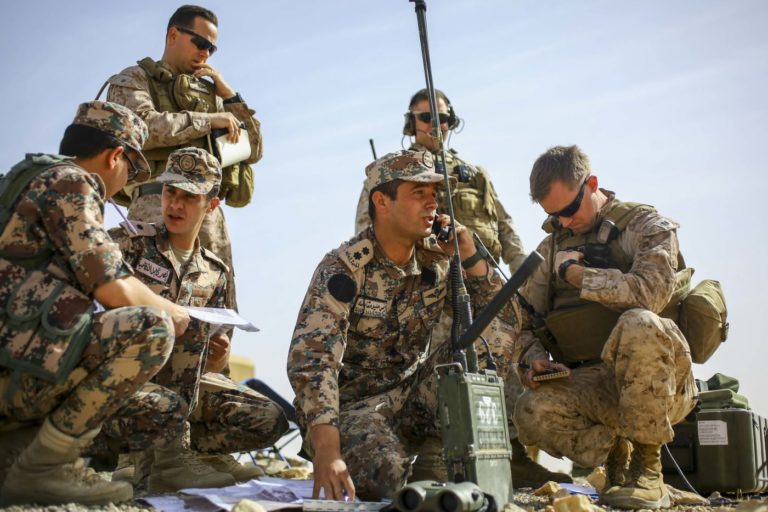
Overseas Contingency Operations (OCO) funding poses challenges for the new administration as they prepare its FY 2018 budget request. OCO funding is intended for war-related activities that cannot be forecasted. However, it has become a convenient loophole for defense spending since it is not restricted by the Budget Control Act (BCA) budget caps. This analysis address the challenges presented by OCO funding and possible options for handling base budget activities in OCO.

U.S. Marine Corps photo by Cpl. Lauren Falk 5th MEB COMCAM: https://www.dvidshub.net/image/2591254/eager-lion-2016-air-support-training
Analysis / Reform

Implementing Security Cooperation Reform to Maximize U.S. Competitiveness Abroad

Security cooperation enables the United States to deepen its global alliances and partnerships in pursuit of common security objectives. It will be critical to ensure FY17 National Defense Authorization Act (NDAA) reform provisions retains the U.S. competitive advantage globally through its network of alliances and partnerships. This analysis provides recommendations for the Trump administration to consider during security cooperation reform.

By U.S. Navy photo by Brian Nokell, via Wikimedia Commons
Analysis / Reform

Reforming the Civilian Workforce: Two Carrots and Two Sticks

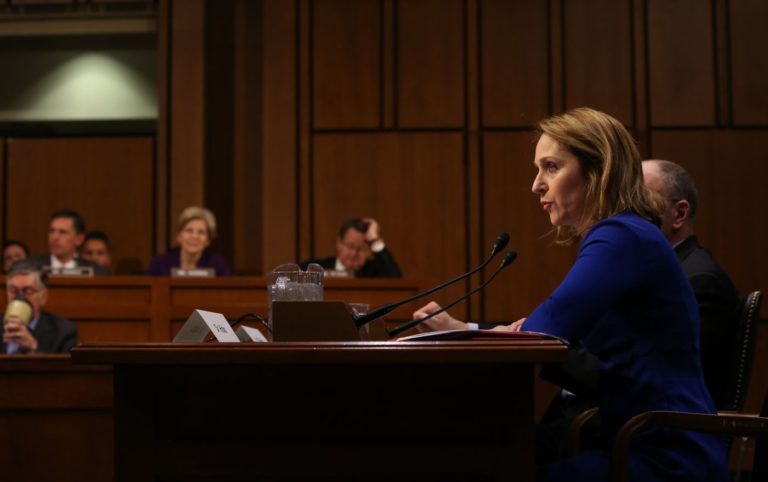
President-elect Donald Trump has proposed two goals for the federal government’s civilian workforce: making it smaller and increasing its quality. How can the administration use both carrots and sticks to achieve its goal of reducing the civilian workforce without going to war without its own work force? This analysis addresses this question through the lens of the civilian workforce in the Department of Defense to propose recommended changes.