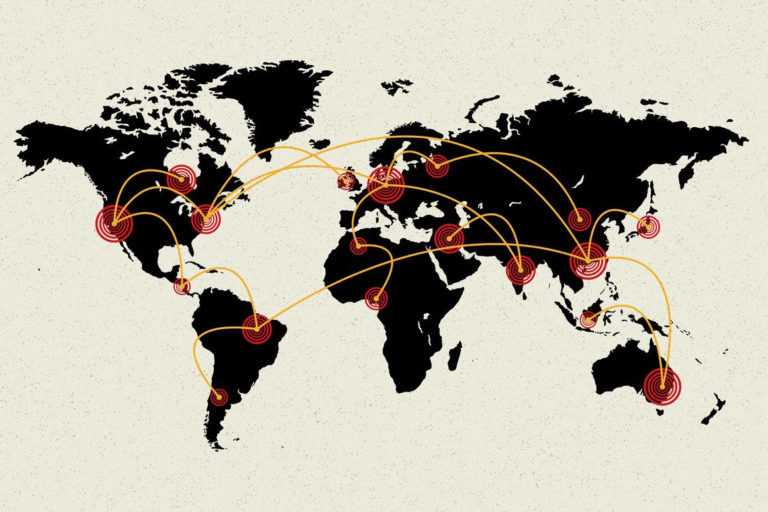
Regaining Lost Ground: Defense Support in the Coronavirus Pandemic
Even with its late start, the Defense Department can provide valuable support to whole of nation coronavirus response efforts, write Kathleen Hicks and Joseph Federici.

Read the most recent analysis from CSIS experts on defense-related issues.

Even with its late start, the Defense Department can provide valuable support to whole of nation coronavirus response efforts, write Kathleen Hicks and Joseph Federici.
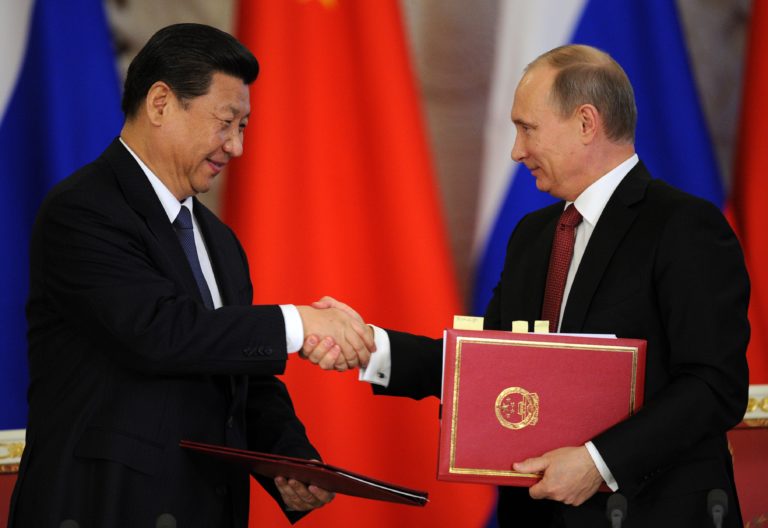
China and Russia have prioritized strengthening their bilateral defense relationship in recent years. This report examines a key aspect of Sino-Russian defense ties, military-technical cooperation (MTC), and offers recommendations for U.S. policymakers.

With COVID-19 sweeping across the United States, CSIS’s Mark Cancian discusses what the U.S. military can, and cannot, do as part of the response.
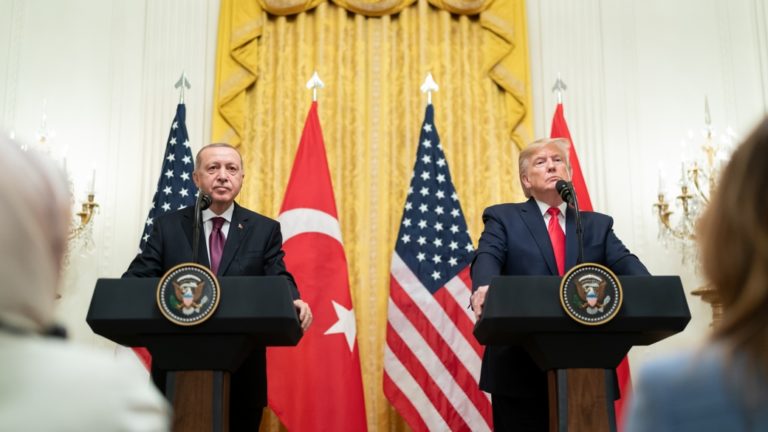
March marks a critical month for U.S.-Turkish relations, chiefly on the topic of Ankara’s recent acquisition of the S-400 from Russia. Asya Akca and Greg Sanders answers the critical questions surrounding the issue.

So far the effects of COVID-19 on the military have been modest, but if current trends continue, the effect on military readiness will be devastating.
Seamus Daniels and Todd Harrison assess budget execution for DoD acquisition accounts. This report compares obligation rate projections released by the DoD Comptroller with traditional DoD budget execution benchmarks and the actual obligation rates for acquisition accounts.

The Trump administration is expected to release its FY 2021 defense budget request on February 10, 2020, the final budget submitted in the BCA era. In this brief, experts from the CSIS International Security Program outline major issues to watch in the FY 2021 defense budget.

The Trump administration characterized its FY 2020 defense budget request as a “masterpiece.” The CSIS Defense Budget Analysis program provides its assessment of the budget, its implications for future defense spending, and FY 2020 appropriations.
In this brief, the authors discuss a strategy that they have labeled the Minimal Exposure Strategy. The strategy’s core premise is that the United States is largely secure from military threats due to continental U.S. geography and the deterrent quality of its nuclear and other strategic capabilities.