Archive

Analysis / Budget, Forces

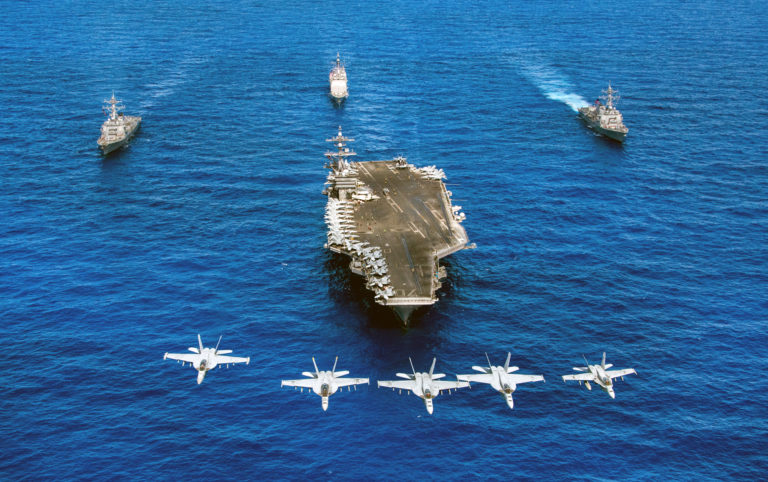
Assessing Navy Readiness Funding

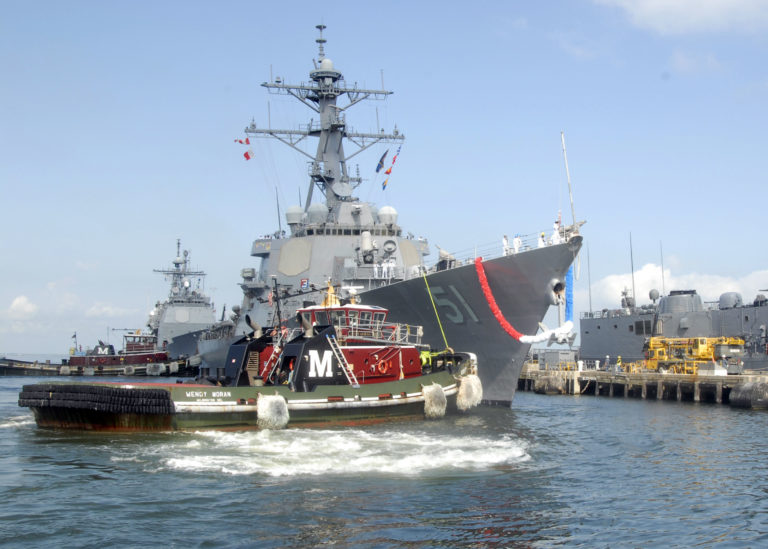
The first ten months of 2017 have posed daunting challenges for the U.S. Navy in the Pacific with the deaths of 17 sailors and multiple serious mishaps. Some lawmakers have pointed to these tragedies as evidence of a “readiness crisis,” resulting in part from insufficient funding from Congress. This paper analyzes the Navy’s readiness funding for maintenance and training within the Navy’s operation and maintenance (O&M) budget relative to historical norms and normalized for the size of the fleet.

Analysis / Budget, Forces

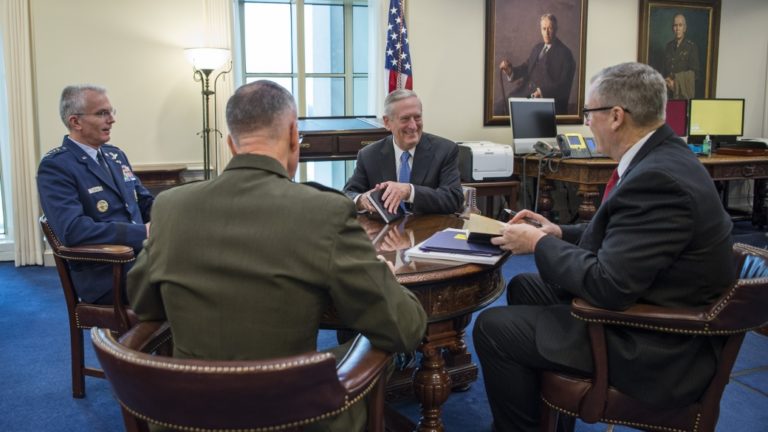
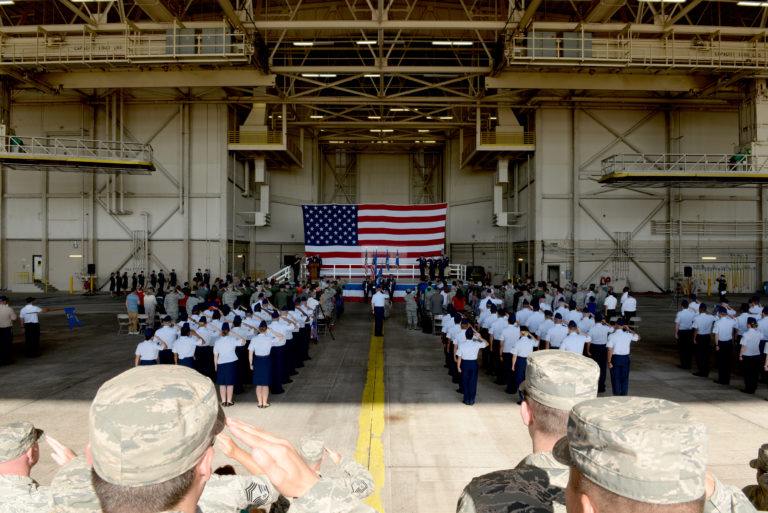
U.S. Military Forces in FY 2018

The Department of Defense (DOD) faces a strategic choice: whether to focus on modernization for high-tech conflicts with China and Russia or expand forces and improve readiness to meet a superpower’s commitments for ongoing conflicts and crisis response. In their FY 2018 budgets, the services all complain that they are too small for the demands being put on them and hedge toward expanding forces and readiness. In the new DOD strategy being developed for 2019 and beyond, the services hope to pursue all three goals—expand forces, improve readiness, and increase modernization—but the fiscal future is highly uncertain, and they will likely have to make difficult trade-offs.

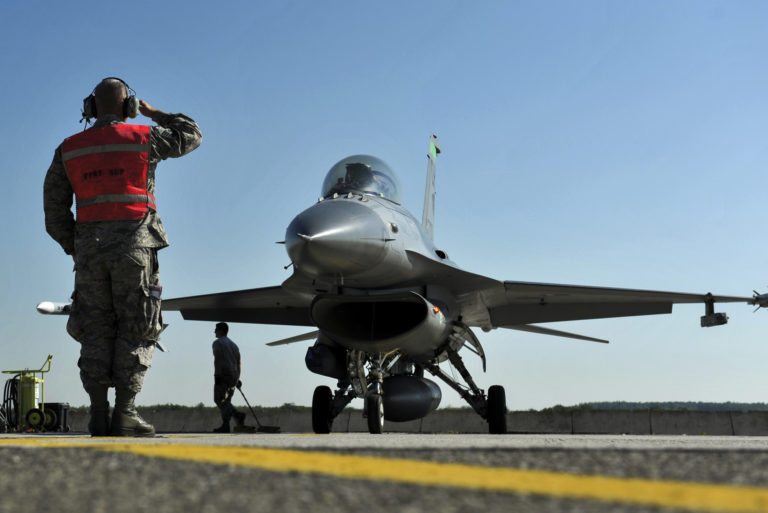
Photo Credit: Air Force Tech. Sgt. Brigitte N. Brantley
Analysis / Strategy

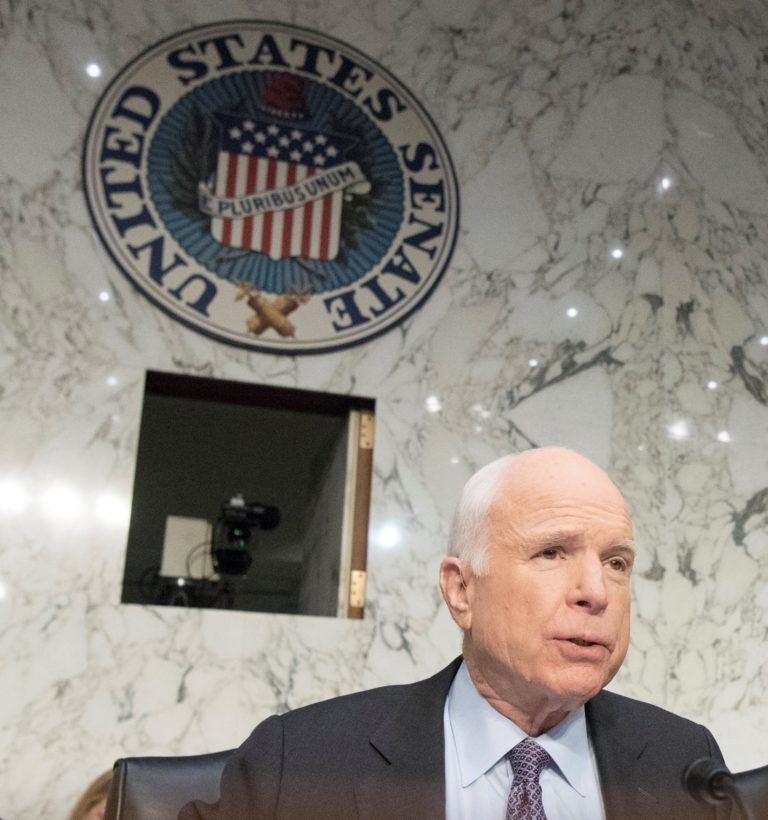
Formulating National Security Strategy

In October, ISP released a comprehensive assessment of the strategy formulation processes within the U.S. Department of Defense. Formulating National Security Strategy: Past Experiences and Future Choices offers insights into the series of choices facing policymakers during a strategy review. The study, prepared for DOD and mandated by Congress, was helped shaped the process for the 2018 National Defense Strategy.

Analysis / Budget

What the Continuing Resolution Means for Defense Spending in FY 2018

On September 8, President Trump signed into law H.R. 601, the “Continuing Appropriations Act, 2018 and Supplemental Appropriations for Disaster Relief Requirements Act, 2017.” The bill addresses several timely concerns, providing $15.25 billion in emergency funding for disaster relief, temporarily suspending the federal debt ceiling, and funding the federal government with a continuing resolution (CR) that runs through December 8. Todd Harrison and Seamus Daniels address critical questions about the continuing resolution and what it means for defense spending in the 2018 fiscal year.

Analysis / Budget, Reform

Base Realignment and Closure (BRAC) Roundtable

CSIS hosted a roundtable discussion on the prospects for rationalizing the Department of Defense’s real property assets in a strategic context. These experts from across the political spectrum and with widely divergent views on national security nevertheless agreed that some process for base closure and realignment was needed. They also discussed how any future base closure and realignment process needed to learn from the past, to be fair to the local communities, and to accommodate congressional concerns.

Opinion / Forces

Making the Most of Special Operations Forces

Before putting special operators in harm’s way, the makers of policy and strategy must give great thought to the factors that determine tactical and strategic outcomes. With the demand for special operations forces exceeding the supply, the new administration must determine where scarce special operations personnel can best be employed, and where other U.S. and allied capabilities can most profitably shoulder the burden.