The Future of Army Modernization: A Public Survey
This is a public survey on the Future of Army Modernization. This survey is now closed.

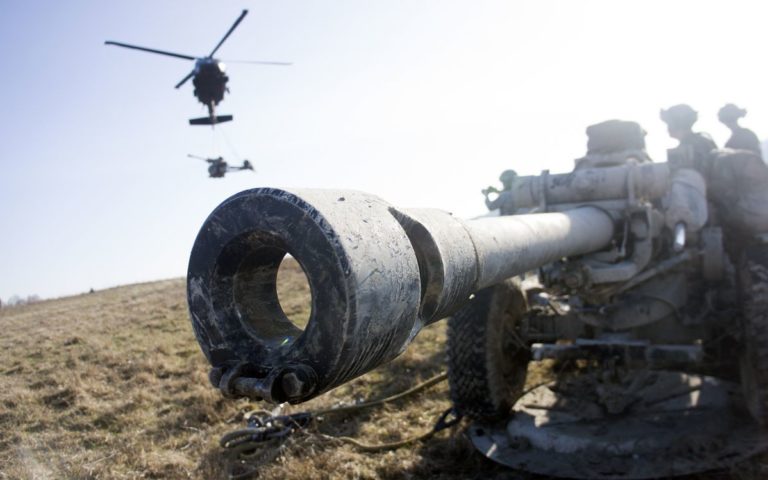
This is a public survey on the Future of Army Modernization. This survey is now closed.
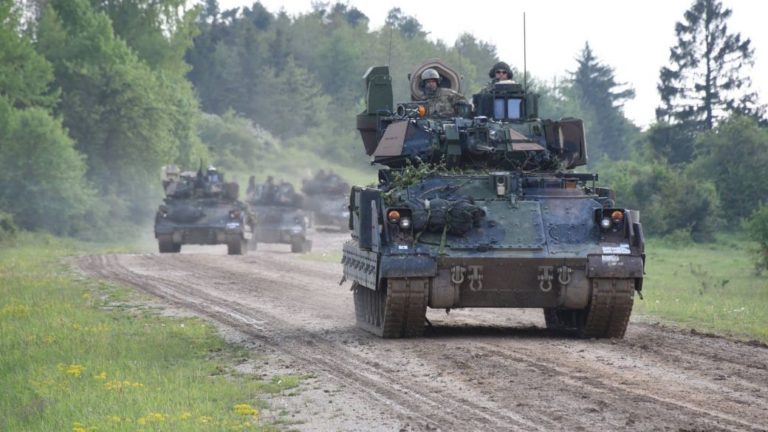
This report focuses on recalibrating U.S. Army forces in Europe in light of the security challenges posed by a resurgent Russia and offers 37 recommendations for building and a credible and sustainable deterrence posture in Europe over the next decade.

This report provides an assessment of current and future U.S. amphibious capabilities and those of a select group of allies and partners. It further explores options to allow U.S. amphibious forces to leverage partner and allied capabilities for combined operations without sacrificing warfighting capabilities.

Both House and Senate bills for the FY 2017 National Defense Authorization Act take a historic leap forward in reforming the Department of Defense’s security cooperation enterprise. Security cooperation is vital to helping the U.S. secure objectives abroad. But what do these drafts propose and what are the implications?
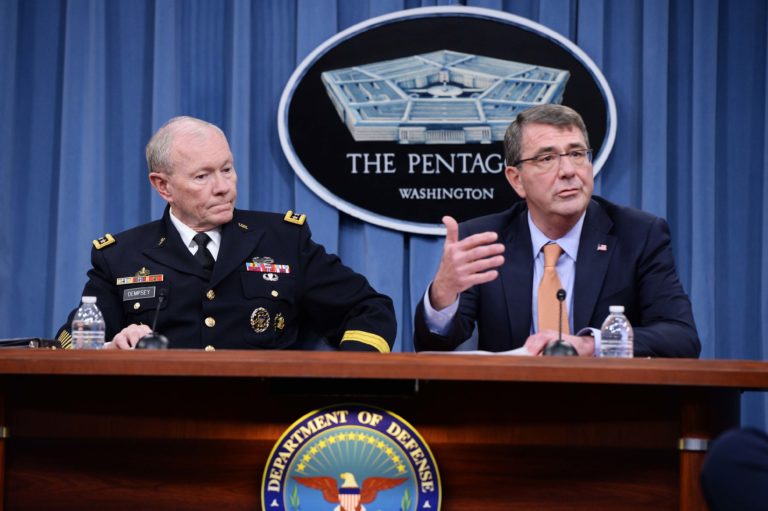
This report is the result of a public survey on defense reform, undertaken with two primary goals. First, to garner a broad sense of public opinion on some of the key facets of the defense reform issues. Second, to test opinions against the old axiom that “where you stand depends on where you sit” by requiring respondents to answer several demographic questions.

Congress wants to end U.S. military’s dependence on a Russian-made rocket engine. But, what’s the rush? Before hastily cutting off the engines we need, Congress should ensure there is a viable alternative available.
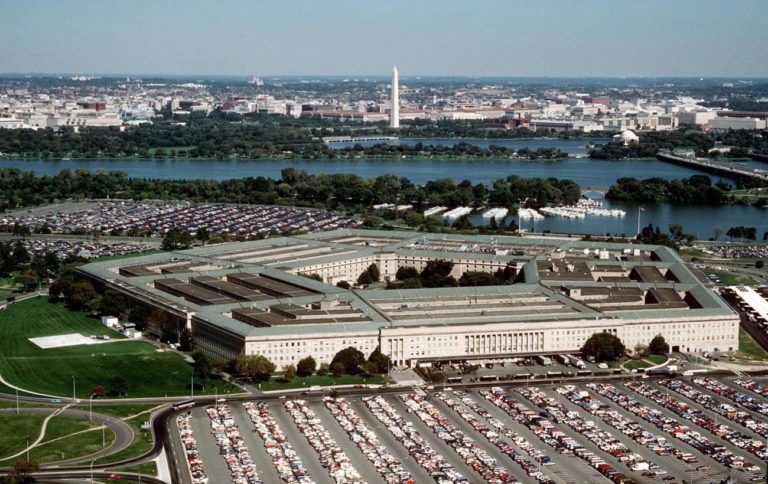
In the format of question and answer, Marc Cancian reviews the May 12 Senate Armed Services Committee proposal for reform of organizations and processes in the national security enterprise.

As a candidate, Clinton has indicated that she will be conventionally strong on defense. Positioned to the right of Bernie Sanders and to the left of Republicans, Clinton is well informed and proposing a tougher stance on foreign policy. This article takes a further look at Clinton’s defense policy and how it differs from President Obama’s policies.
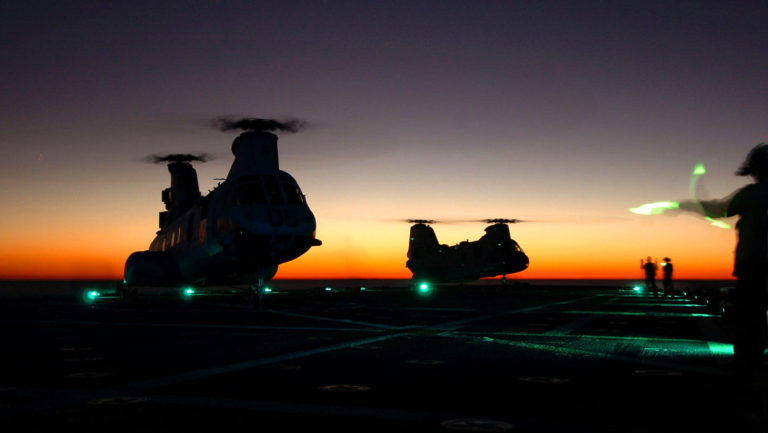
It is clear that threats are growing and forces need to grow to meet them. Any further cuts are over and forces will increase assuming budget deals avoid sequestration. This report reviews force structure for each military service and identifies three themes about the forces this year.
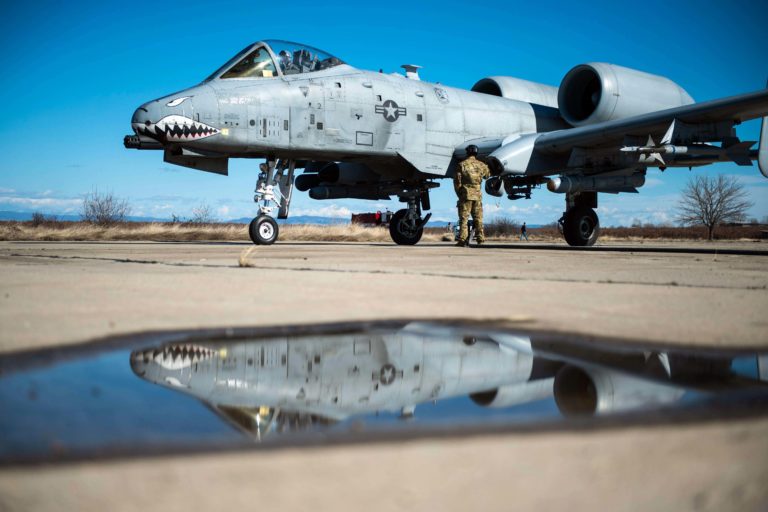
This report analyzes the FY 2017 defense budget request looking at trends in the budget, differences from previous requests, and key issues for policymakers as they consider the budget and begin looking to the next administration.